Financial planning is the process of managing income, expenses, savings, and investments to achieve both short-term and long-term financial goals. Whether for individuals, families, or businesses, financial planning provides a clear roadmap for making informed financial decisions. In today’s fast-changing economy, having a well-structured financial plan is more important than ever. It helps people prepare for unexpected events, reduce financial stress, and build a secure future.
One of the first steps in financial planning is creating a realistic budget. A budget allows individuals to track their income and expenses, helping them understand where their money goes each month. By controlling unnecessary spending and prioritizing essential expenses, people can save more and avoid accumulating debt. Budgeting also encourages financial discipline, making it easier to achieve goals such as buying a home, starting a business, or funding higher education.
Saving is another essential component of financial planning. Financial experts recommend setting aside a portion of income regularly to build an emergency fund. This fund can cover unexpected expenses such as medical emergencies, car repairs, or temporary job loss. Having emergency savings provides peace of mind and prevents people from relying on high-interest loans or credit cards during difficult times.
Investing is equally important for long-term wealth creation. While saving protects money, investing helps it grow over time. Popular investment options include stocks, bonds, mutual funds, exchange-traded funds (ETFs), and real estate. Every investment carries some level of risk, so investors should diversify their portfolios to reduce potential losses. Understanding risk tolerance and investment objectives is essential before making any financial commitment.
Managing debt wisely is another key aspect of financial planning. Not all debt is harmful, but excessive borrowing can create financial problems. Responsible use of credit, timely loan repayments, and avoiding unnecessary debt help maintain a healthy credit score. A good credit history makes it easier to obtain loans with favorable interest rates when needed for education, housing, or business expansion.
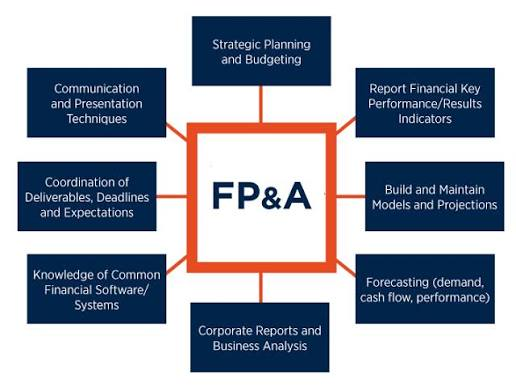
Businesses also benefit greatly from financial planning. Companies use financial plans to forecast revenue, control operating costs, manage cash flow, and evaluate investment opportunities. Proper financial planning enables businesses to respond effectively to market changes, expand operations, and remain competitive. It also helps attract investors and lenders by demonstrating sound financial management and future growth potential.
Technology has made financial planning easier than ever before. Mobile banking apps, budgeting software, online investment platforms, and digital payment systems allow users to monitor their finances in real time. These tools help individuals and businesses make informed decisions while improving convenience, accuracy, and financial transparency.
In conclusion, financial planning is the foundation of long-term financial success. It encourages responsible spending, consistent saving, smart investing, and effective debt management. Whether planning for retirement, growing a business, or achieving personal goals, a well-designed financial plan provides direction and confidence. By developing strong financial habits and regularly reviewing financial objectives, individuals and organizations can build lasting financial security and achieve sustainable prosperity in an ever-changing economic environment.